 Homebuyer Guides
Integrated Townships vs Standalone Apartments: Which Offers Better Long-Term Value?
Comparing Lifestyle, Amenities, Maintenance & Resale Potential
Homebuyer GuidesAugust 11, 20267 min read
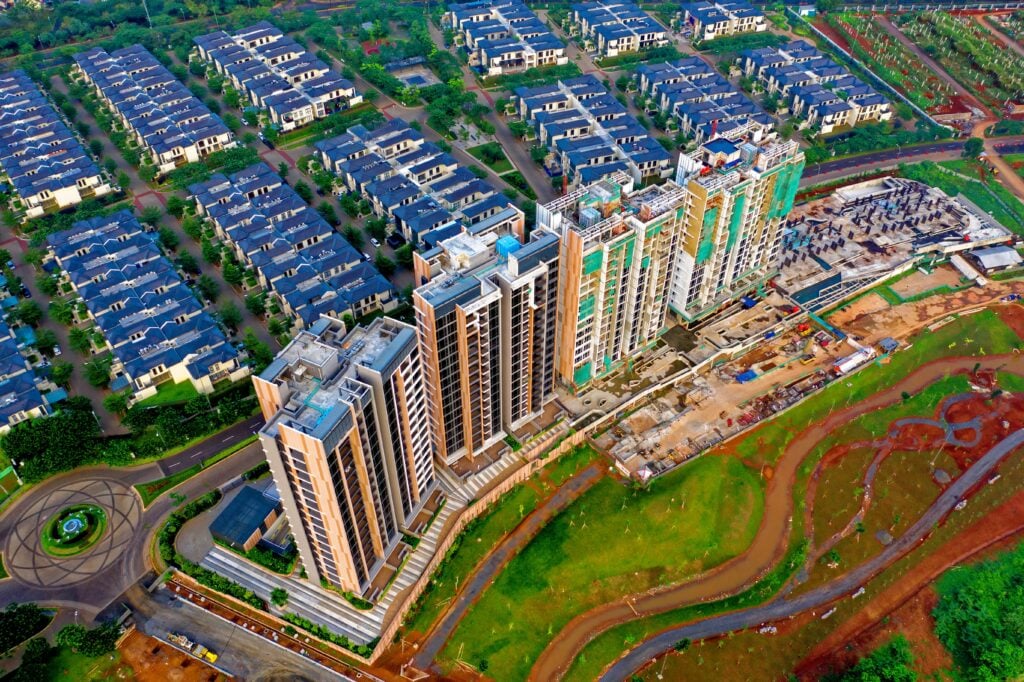
Choosing between an integrated township and a standalone apartment is one of the most important decisions for today's homebuyers and property investors.
Both options provide distinct advantages, and long-term value ultimately depends on location, connectivity, amenities, maintenance, community infrastructure, future demand, and resale potential.
What Is an Integrated Township?
An integrated township represents a large, planned development designed to bring multiple aspects of everyday life within one connected ecosystem. These may include residential buildings, landscaped spaces, recreational amenities, retail conveniences, internal roads, security systems, and community infrastructure. The emphasis is on comprehensive planning rather than isolated building development.
What Is a Standalone Apartment?
A standalone apartment is generally an individual residential building or a smaller housing development constructed on a comparatively limited land parcel. These typically offer essential facilities like parking, security, gardens, or fitness areas, but fewer shared amenities than townships. They appeal to buyers prioritizing specific neighbourhoods or shorter commutes.
Integrated Township vs Standalone Apartment: Key Differences
1. Lifestyle and Amenities
Integrated townships generally offer broader lifestyle amenities including clubhouses, landscaped gardens, sports facilities, children's play areas, walking tracks, wellness zones, and community spaces. Standalone apartments usually offer fewer amenities due to space constraints. Long-term value depends on whether amenities remain relevant, well-maintained, and genuinely useful.
2. Open Spaces & Community Planning
One of the strongest advantages of integrated townships is planned open space. Larger developments allocate dedicated areas for landscaping, internal circulation, recreation, and community interaction. This becomes increasingly valuable as urban density rises. Families with children, seniors, remote workers, and wellness-conscious buyers may prioritize access to open spaces within their residential environment.
3. Convenience and Everyday Living
Integrated communities reduce dependence on long daily travel for basic needs through nearby retail, recreational facilities, social spaces, and essential services. Standalone apartments rely more on surrounding neighbourhoods. Well-developed localities may provide immediate access to mature social infrastructure.
4. Security and Controlled Access
Larger residential communities often provide multiple layers of security, such as controlled entry points, surveillance systems, visitor management, and dedicated security personnel. Standalone buildings may also provide effective security, though scale and sophistication vary considerably.
5. Maintenance and Property Management
Long-term property value is closely connected to maintenance quality. Integrated townships may benefit from structured facility management, though larger amenity ecosystems can mean higher maintenance charges. Standalone apartments may have lower maintenance requirements, but quality depends heavily on housing society management and available budgets.
Which Offers Better Resale and Appreciation Potential?
There is no universal answer. Property appreciation depends on several factors, including:
- Location and neighbourhood growth
- Infrastructure development
- Road and public transport connectivity
- Employment hubs nearby
- Developer credibility and construction quality
- Supply and demand, and maintenance standards
- Social infrastructure and overall buyer preference
Which Is Better for Families?
For many families, integrated townships can offer greater lifestyle convenience because of open spaces, children's areas, recreational amenities, security, and community interaction. Well-planned environments support different age groups. However, families prioritizing proximity to specific schools, workplaces, or established neighbourhoods may prefer standalone apartments.
Which Is Better for Investors?
Investors should focus on demand rather than labels. The strongest opportunities combine:
What Investors Should Look For
- Strategic location and strong connectivity
- A reliable developer track record
- Quality construction and sustainable demand
- Good maintenance and relevant amenities
- Future infrastructure potential
Final Verdict: Integrated Township or Standalone Apartment?
For buyers seeking a comprehensive lifestyle, larger open spaces, multiple amenities, structured community planning, and a self-contained residential environment, an integrated township may offer stronger long-term lifestyle value. For those prioritizing established locations, simpler maintenance, or existing neighbourhood infrastructure, standalone apartments can be equally compelling.
The better investment ultimately combines the right location, credible development, strong connectivity, quality planning, and sustained buyer demand.
Frequently Asked Questions
Are integrated townships better than standalone apartments?
Integrated townships may offer more amenities, open spaces, security, and community infrastructure. However, standalone apartments can provide strong value when located in established and well-connected neighbourhoods.
Do integrated townships have better resale value?
They can attract strong resale demand when supported by good location, maintenance, connectivity, and developer credibility. Resale value is not guaranteed.
Are standalone apartments cheaper to maintain?
Often, yes. Smaller developments may have fewer amenities and common facilities, reducing maintenance requirements. Actual charges vary by project.
Which property type is better for families?
Integrated townships are often preferred by families seeking open spaces, recreation, security, and community living. The best choice depends on commute, schools, budget, and location.
Which is better for long-term investment?
Neither format is universally better. Evaluate location, infrastructure growth, demand, developer reputation, construction quality, maintenance, and future supply before investing.
Explore Majestique
Discover Your Majestique Address
Explore ongoing and completed MahaRERA-registered developments across Pune's finest micro-markets.
Continue Reading
More From The Journal
Homebuyer Guides Real Estate Market Trends
3 min read · August 5, 2026
The New Indian Homebuyer Is More Informed Than Ever. Is Real Estate Keeping Up?
Read Article Luxury Living & Lifestyle
3 min read · July 28, 2026